

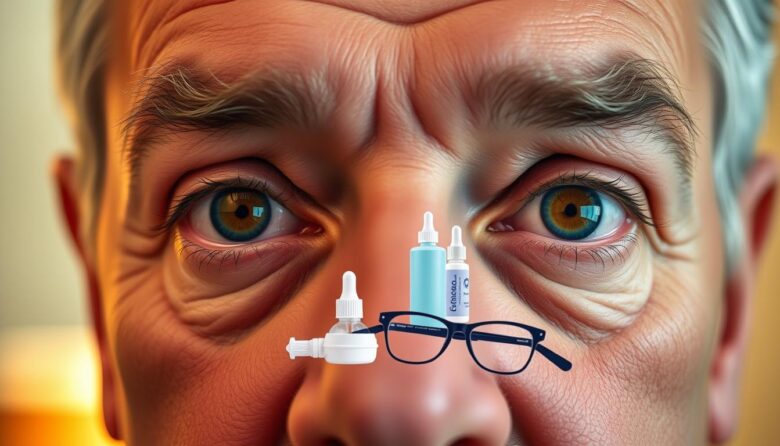
As we get older, our eyes change a lot. This can affect our eye health. At Dr. John Spencer Ellis’s Diet Guru, we think it’s key to keep our vision healthy. For men over 40, it’s important to take care of their eyes to avoid age-related problems.
Knowing about these changes and taking action can help men keep their vision sharp. We help men on their path to better health. We give them the tools and knowledge they need for vision care for aging men. Start your journey to better health with Dr. John Spencer Ellis on Diet Guru.
Key Takeaways
- Understand the changes that occur in the eyes as men age
- Learn proactive steps to maintain healthy vision
- Discover the resources available on Diet Guru to support overall wellness
- Explore the expertise of Dr. John Spencer Ellis in guiding men towards optimized health
- Take the first step towards maintaining healthy eye health
Understanding Age-Related Vision Changes in Men
The aging process brings big changes to men’s vision. As we get older, we’re more likely to face vision problems. It’s key to know about these changes.
Common Vision Issues After 40
Men over 40 often deal with vision issues like presbyopia, cataracts, and macular degeneration. Presbyopia makes it hard to see close things. Cataracts cause cloudy vision. Macular degeneration can lead to blind spots or distorted vision.
Why Men’s Vision Health Deserves Special Attention
Men’s vision health is vital for their quality of life. Untreated vision problems can lower productivity and increase fall risks. They can also lead to depression. Some vision issues hint at health problems like diabetes or high blood pressure.
The Science Behind Aging Eyes
The aging of eyes involves many factors. The lens and retina change with age, affecting vision. The lens gets less flexible, making close vision hard. Age-related diseases can harm the retina, causing macular degeneration.
Knowing about these vision changes is key to good eye health. By understanding the risks and taking action, men can avoid serious vision problems.
Vision Care for Aging Men: Dr. Ellis’s Comprehensive Approach
Dr. Ellis has a detailed plan for vision care for aging men. As men get older, they face a higher risk of vision problems. Regular eye exams are key to catching these issues early.
The Importance of Regular Eye Examinations
Eye exams are crucial for keeping vision sharp. Men over 40 should get a full eye check-up every year. This helps spot vision changes early and stops vision loss.
Some key benefits of regular eye exams include:
- Early detection of age-related macular degeneration
- Identification of diabetic retinopathy and other diabetes-related eye issues
- Monitoring of intraocular pressure to prevent glaucoma
Creating a Vision Care Schedule
Having a vision care schedule is key for eye health. We suggest men plan regular eye exams and a care plan that fits their needs.
A good vision care schedule should include:
- Annual comprehensive eye exams
- Regular monitoring of vision changes
- Adjustments to eyewear or contact lenses as needed
When to See an Ophthalmologist vs. Optometrist
Knowing when to see an ophthalmologist or optometrist is important. Both are vital in eye care but have different skills.
We suggest seeing an ophthalmologist for:
- Surgical procedures, such as cataract removal
- Complex eye conditions, like retinal detachment
An optometrist is best for:
- Routine eye exams
- Prescribing eyewear and contact lenses
By following Dr. Ellis’s plan, men over 40 can protect their vision and prevent loss.
Recognizing Warning Signs of Vision Problems
As men get older, they face a higher risk of vision problems. It’s important to spot the warning signs early. Vision issues can really affect your life, so knowing the symptoms is key to getting help on time.
Symptoms That Shouldn’t Be Ignored
Some symptoms are serious and shouldn’t be ignored. These include:
- Blurry vision
- Double vision
- Eye pain
- Sensitivity to light
If you notice any of these, you should see an eye doctor right away.
Conditions More Common in Men Over 40
Men over 40 are more likely to get certain eye problems. These include glaucoma and age-related macular degeneration. If not caught and treated early, these can cause serious vision loss.
| Condition | Description |
|---|---|
| Glaucoma | A group of eye conditions that damage the optic nerve, often due to abnormally high pressure in the eye. |
| Age-related Macular Degeneration | A condition that causes vision loss in the macula, the part of the eye responsible for central vision. |
Early Detection Strategies
Spotting vision problems early is crucial. Regular eye exams can catch issues before they cause symptoms. Also, knowing your family’s eye health history and telling your doctor about any vision changes can help catch problems early.
Nutrition and Diet for Optimal Eye Health
Nutrition is key for eye health and preventing vision loss. A balanced diet gives the nutrients needed for healthy vision.
Essential Nutrients for Vision Protection
Some nutrients are great for the eyes. Vitamins A, C, and E, along with minerals like zinc and antioxidants like lutein, are important.
Vitamin A, C, and E Sources
Vitamin A is in carrots, sweet potatoes, and liver. Vitamin C is in citrus fruits, strawberries, and bell peppers. Vitamin E is in nuts and seeds, like almonds and sunflower seeds.
Zinc and Lutein Benefits
Zinc is in oysters, beef, and chicken. Lutein, found in spinach and kale, is an antioxidant. Both are vital for eye health.
Foods That Promote Eye Health
Some foods are great for the eyes because of their antioxidants and omega-3 fatty acids.
Antioxidant-Rich Options
Antioxidant-rich foods like berries, leafy greens, and fruits and vegetables protect the eyes from damage.
Omega-3 Sources
Omega-3 fatty acids in fatty fish like salmon, sardines, and mackerel help reduce inflammation and support eye health.
Hydration and Eye Health
Drinking enough water is also important for eye health. It keeps the eyes moist and comfortable.
| Nutrient | Benefit | Food Sources |
|---|---|---|
| Vitamin A | Supports night vision and overall eye health | Carrots, sweet potatoes, liver |
| Vitamin C | Antioxidant properties, supports immune function | Citrus fruits, strawberries, bell peppers |
| Zinc | Essential for the health of the retina | Oysters, beef, chicken |
| Lutein | Protects against blue light damage | Spinach, kale, leafy greens |
| Omega-3 | Reduces inflammation, supports eye health | Salmon, sardines, mackerel |

By adding these nutrients and foods to our diet, we can help keep our eyes healthy and prevent vision loss.
Lifestyle Modifications to Preserve Vision
Keeping your vision sharp is key for men over 40. Making lifestyle changes can help a lot. As we get older, our eyes change, which can affect how we see. By living healthier and being careful with our daily habits, we can protect our eyes.
Managing Screen Time Effectively
In today’s world, it’s important to control how much time we spend on screens. Too much screen time can cause eye strain and discomfort.
The 20-20-20 Rule
To ease eye strain, try the 20-20-20 rule. Every 20 minutes, look away from your screen and focus on something 20 feet away for 20 seconds. This simple trick can really help reduce eye fatigue.
Blue Light Protection
Protecting your eyes from blue light is also crucial. Using blue light filtering glasses, apps, or software can help cut down on this harmful light.
The Impact of Sleep on Eye Health
Getting enough sleep is essential for eye health. Our eyes rest and recover while we sleep. Not getting enough sleep can cause eye strain and vision problems.
Smoking Cessation and Vision Benefits
Smoking is bad for your eyes, increasing the risk of cataracts and age-related macular degeneration. Quitting smoking can greatly improve your eye health and lower the risk of losing your vision.
By making these lifestyle changes, men over 40 can actively work to keep their vision sharp. It’s about making smart choices and adopting habits that support good eye health for years to come.
Exercise and Its Effects on Eye Health
As men age, adding exercise to their routine can greatly benefit their eye health. Regular physical activity boosts heart health, lowers disease risk, and supports overall wellness.
Cardiovascular Activities for Better Vision
Cardio exercises like brisk walking, cycling, or swimming boost blood flow. This helps keep eyes healthy by ensuring they get enough oxygen and nutrients. Studies link regular cardio to lower risks of age-related macular degeneration and other eye issues.
Eye Exercises to Reduce Strain
Eye exercises can also help reduce strain and improve vision. They’re great for those who spend a lot of time in front of screens or doing tasks that need focused vision.
Focus Shifting Techniques
Shifting focus between near and far objects is a helpful technique. It makes eye muscles more flexible and reduces strain. To try it, look at something close, then quickly look at something far away. Keep doing this several times.
Relaxation Methods for Eye Muscles
Relaxing eye muscles through gentle exercises is another method. For example, rolling your eyes in a circle or focusing on a point then moving your gaze away can help relax them.
Balancing Physical Activity for Overall Health
Exercise is key for healthy vision, but it’s also important to balance it with overall health. This means paying attention to nutrition, sleep, and managing stress, all of which support eye health.
Protective Measures for Everyday Vision Care
Men over 40 need to take care of their vision every day. Our eyes change as we age, affecting our quality of life. By being proactive, men can protect their vision and lower the risk of eye problems.
Selecting the Right Eyewear
Choosing the right eyewear is key for eye protection. This includes:
- Prescription Glasses: It’s important to have up-to-date and correctly prescribed glasses for clear vision.
- Sunglasses and UV Protection: Sunglasses with UV protection can help prevent cataracts and eye damage from UV rays.
- Computer Glasses: Computer glasses can reduce eye strain from screen time.
Environmental Factors and Eye Protection
Environmental factors can greatly affect eye health. This includes:
- Workplace Eye Safety: Using protective eyewear and following safety rules can prevent eye injuries at work.
- Home Environment Adjustments: Adjusting your home environment, like proper lighting and less clutter, can also protect your eyes.
Diabetes and Eye Health
Diabetes can harm eye health, raising the risk of diabetic retinopathy. Keeping blood sugar levels in check and getting regular eye exams are key to preventing vision loss.
| Diabetes Management | Eye Health Benefits |
|---|---|
| Blood Sugar Monitoring | Reduces risk of diabetic retinopathy |
| Regular Eye Check-ups | Early detection of eye problems |
Hypertension’s Impact on Vision
Hypertension can also affect eye health, increasing the risk of vision problems. Managing high blood pressure through lifestyle changes and medication can help protect your vision.
Coordinating Care with Your Healthcare Team
Working with your healthcare team is crucial for overall health and vision protection. This includes:
- Telling your healthcare provider about any medications that may affect your eyes.
- Talking about any vision problems or concerns with your healthcare provider.
Conclusion: Maintaining Lifelong Vision Health
Keeping your vision healthy for life needs a few key steps. First, get regular eye exams. Next, live a healthy lifestyle and take protective measures. Men over 40 face a higher risk of vision problems, so it’s vital to focus on eye care.
Eating well, managing screen time, and drinking plenty of water can help a lot. Also, seeing an eye doctor or optometrist regularly is key. This helps catch and treat problems early.
Men should be proactive about their eye health. There are many resources out there to help. By taking these steps, men can keep their eyes healthy and enjoy a better life as they get older.