


As we get older, our bodies change in ways that can impact our health. Maintaining a healthy lifestyle is key to staying well. Men, in particular, face a decline in natural defenses with age, making them more prone to illness.
Begin your path to better health with Dr. John Spencer Ellis on Diet Guru. As we age, our bodies fight off germs less effectively, raising the risk of getting sick. This article will share effective health tips to help you stay well as you age.
Key Takeaways
- Understand how aging affects your natural defenses
- Learn simple health tips to boost your overall well-being
- Discover holistic approaches to maintaining a healthy lifestyle
- Explore science-backed strategies for immune system health
- Empower yourself with knowledge to achieve optimal health
The Science of Immunosenescence: How Aging Affects Your Defenses
Immunosenescence, or the aging of the immune system, changes how men over 50 fight off diseases. As we get older, our immune system weakens. This makes us more likely to get sick.
Biological Changes in Immune Function After 50
After 50, our immune system undergoes changes. The thymus, key for immune cell growth, shrinks. This reduces T-cell production. Also, making cytokines, proteins that fight infections, becomes less effective.
These changes weaken our immune response. It becomes harder for our body to fight off diseases.
Also, aging leads to more chronic inflammation. This inflammation can damage tissues and contribute to age-related diseases. It also weakens the immune system, creating a cycle of decline.
Why Men Face Unique Immune Challenges
Men over 50 face unique immune challenges. Hormonal changes, like lower testosterone, affect immune function. Lifestyle factors, like diet and exercise, also play a big role.
A healthy diet and regular exercise support immune health. But a sedentary lifestyle and poor nutrition can worsen immune decline.
Understanding these changes is key to supporting immune health in aging men. By addressing these challenges, we can help maintain a strong immune system. This protects against infections and diseases.
Dr. Ellis’s Approach to Immune System Support for Aging Adults
Dr. Ellis believes in a holistic way to support the immune system of aging adults. This includes diet, exercise, and managing stress. At Diet Guru, we teach people how to make lifestyle changes to boost their immune system.
We mix traditional medicine with holistic methods for a complete immune support plan. This plan gives health tips and immune boosters that fit the needs of older adults.
The Diet Guru Philosophy on Immune Health
We stress the need for a balanced diet, regular exercise, and managing stress. These habits can greatly improve immune function and overall health.
Our approach includes:
- Nutritional advice on foods that boost immune health
- Exercise plans that improve immunity without too much strain
- Stress management to reduce cortisol’s negative effects on the immune system
Holistic vs. Conventional Approaches to Immunity
Traditional medicine is key in treating immune issues, but holistic methods offer extra benefits. They help tackle the underlying causes of immune problems. This blend creates a more effective immune support plan.
Dr. Ellis’s method helps aging adults keep their immune system strong. This improves their quality of life and sets the stage for long-term health.
Essential Nutrients That Revitalize Aging Immune Systems
A strong immune system is key for healthy aging. Certain nutrients are vital for keeping our immune system working well. As we get older, our immune system changes, making it harder to fight off infections. But, adding the right nutrients to our diet can help keep our immune system strong.
Micronutrients That Combat Immunosenescence
Some micronutrients are especially good for older adults’ immune systems. Vitamin D helps control immune cells and lowers inflammation. Vitamin C boosts white blood cells and activates immune cells. Zinc is also crucial, helping activate immune cells and making cytokines to fight infections.
Lacking these nutrients can weaken our immune system. For example, not enough vitamin D can increase the risk of respiratory infections in seniors.
Optimal Daily Intake Recommendations
The right amount of these nutrients depends on age, sex, and health. Here are the daily intake recommendations:
| Nutrient | Recommended Daily Intake |
|---|---|
| Vitamin D | 600-800 IU |
| Vitamin C | 60-90 mg |
| Zinc | 8-11 mg |
Signs of Immune-Related Nutritional Deficiencies
Knowing the signs of nutritional deficiencies is important for immune health. Look out for:
- Frequent infections or illnesses
- Slow wound healing
- Fatigue or weakness
- Poor appetite or weight loss
If you notice these symptoms, see a healthcare professional. They can help find the cause and fix any nutritional gaps.
By eating foods rich in these nutrients and watching for signs of deficiency, we can keep our immune system strong. A balanced diet is a key part of healthy aging, helping our immune system stay vibrant.
The Immune-Boosting Meal Plan: What to Eat Daily
Eating the right foods daily can boost our immune system. A good diet is key for health, especially as we get older. We’ll look at what to eat for breakfast, lunch, dinner, and snacks to keep your immune system strong.
Breakfast Options for Enhanced Immunity
Starting with a nutritious breakfast is important for a healthy immune system. Here are some ideas:
- Oatmeal with fresh fruits and nuts, rich in fiber and antioxidants
- Greek yogurt with berries and honey, providing probiotics and essential vitamins
- Scrambled eggs with spinach and whole-grain toast, offering protein and vital minerals
These breakfasts support immune function and give you energy all morning.
Lunch and Dinner Recipes Rich in Immune Supporters
For lunch and dinner, choose meals with immune-boosting ingredients. Consider these recipes:
- Grilled chicken or fish with roasted vegetables, rich in vitamins and minerals
- Soups made with beans, vegetables, and lean proteins, which can help support immune function
- Salads with mixed greens, nuts, and seeds, providing essential antioxidants and fiber
These meals can be made with immune-boosting foods to keep you healthy.
Strategic Snacking for Continuous Immune Support
Snacking is important for immune health. Here are some healthy snack ideas:
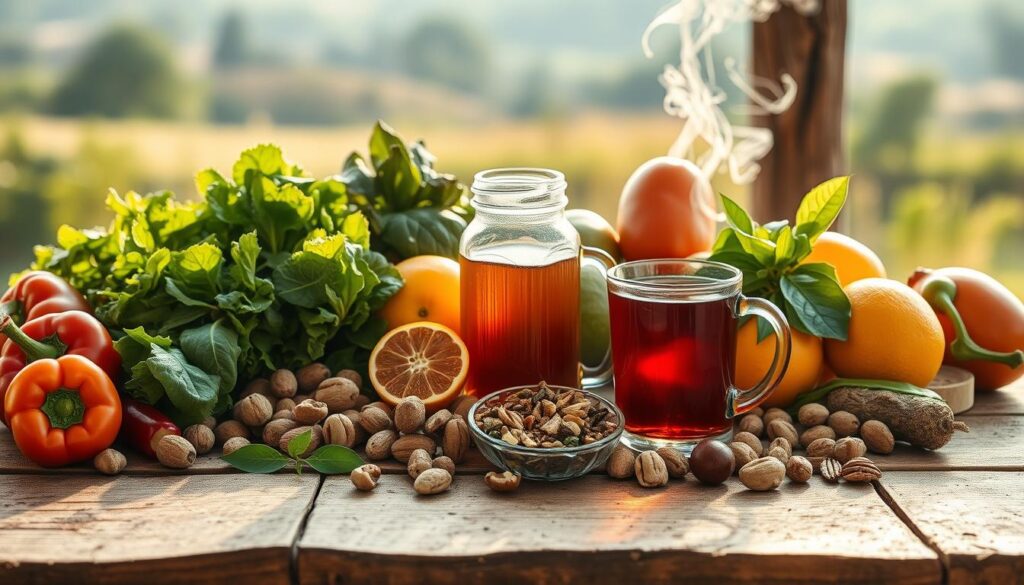
- Fresh fruits, such as berries and citrus fruits, rich in vitamins and antioxidants
- Nuts and seeds, like almonds and sunflower seeds, providing healthy fats and minerals
- Carrot sticks with hummus, offering a boost of vitamins and fiber
Adding these snacks to your day can help keep your immune system strong.
Hydration Strategies That Amplify Immune Function
Drinking enough water is key to a strong immune system. As we get older, our bodies change in ways that can weaken our immune system. Not drinking enough water can make us more likely to get sick.
Calculating Your Optimal Water Intake
To figure out how much water you need, think about your age, weight, how active you are, and where you live. Drinking eight glasses a day is a good start, but it might not be enough for everyone. For example, athletes or people in hot places might need more.
Here’s a simple way to calculate your water needs: drink half an ounce of water for every pound of your body weight.
Immune-Enhancing Beverages Beyond Water
While water is important, other drinks can also help your immune system. Herbal teas like echinacea and ginger are good because they fight inflammation. Green tea is also great because it has antioxidants.
Drinking things with vitamin C, like orange juice, can also help keep your immune system strong.
Signs of Dehydration-Related Immune Suppression
It’s important to know the signs of dehydration to keep your immune system healthy. Feeling tired, having headaches, or a dry mouth are all signs. If you’re dehydrated, you might get sick more easily.
If you notice these symptoms, drink more water and talk to a doctor if they don’t go away.
By following these tips, you can help keep your immune system strong. For more health tips, look into other healthy habits like eating right and exercising. These things work together with staying hydrated to keep your immune system in top shape.
Exercise Protocols That Strengthen Immunity Without Overtaxing Your Body
Exercise is key for boosting immune defenses, especially for older men. As we get older, our immune system gets weaker. This makes us more likely to get sick. But, regular exercise can help fight this decline.
Try moderate activities like brisk walking, cycling, or swimming. These can increase white blood cells. These cells help fight off infections.
The 20-Minute Immune-Boosting Workout
A 20-minute workout can boost your immune system without too much strain. Mix in some aerobic exercises like jogging in place or jumping jacks. Also, add bodyweight exercises like push-ups or squats.
The goal is to keep the intensity moderate. You should be a bit out of breath but still able to talk.
Strength Training Adjustments for Men Over 50
Strength training is great for immune health, especially for older men. Focus on exercises that work many muscles at once. Think squats, deadlifts, and bench press.
Start with lighter weights and slowly add more as you get stronger. This helps keep your muscles and bones healthy. It supports your overall health and immune function.
Recovery Techniques That Protect Immune Function
Recovery is key after working out, especially for older adults. Use stretching, foam rolling, and rest to protect your immune system. Also, eat a balanced diet, drink plenty of water, and get enough sleep.
By adding these recovery steps to your routine, your exercise can help your immune system. It won’t hurt it.
Sleep Optimization Techniques for Enhanced Immune Response
As we age, our immune system’s strength is tied to how well we sleep. Getting enough sleep is key for a strong immune system. Lack of sleep can make our immune system weaker.
We will look at ways to improve sleep to boost our immune system.
The Ideal Sleep Schedule for Immune Cell Production
Finding the right sleep schedule is important for making immune cells. Most adults need 7-9 hours of sleep each night. Going to bed between 10 pm and midnight helps keep the immune system in check.
Being consistent is crucial. So, it’s best to stick to a regular sleep schedule, even on weekends.
Technology and Environment Adjustments for Better Sleep
Creating a sleep-friendly environment is key for better sleep. Make sure your bedroom is dark, quiet, and cool. Using technology like blue light glasses or sleep apps can also help.
Natural Sleep Aids That Support Immune Function
Some natural sleep aids can also help our immune system. Melatonin, valerian root, and magnesium can help us relax and sleep better. But, always talk to a doctor before trying new supplements.
By using these sleep tips, we can boost our immune system and health. For more health tips, check out other parts of this article.
Stress Management: Protecting Your Immune System from Cortisol Damage
Managing stress is key to keeping our immune system strong. Too much stress can weaken our immune system by raising cortisol levels. This makes us more likely to get sick.
As we get older, our immune system gets weaker. Stress can make this problem worse.
Quick Stress-Reduction Techniques for Busy Schedules
For those with tight schedules, finding time to relax can be hard. But, quick stress-reduction methods can help. Deep breathing, short meditation, or a quick walk can all help fight stress’s impact on our immune system.

Mindfulness Practices Specifically for Immune Health
Mindfulness is good for our immune system. It helps lower stress and promotes calmness. Yoga, tai chi, and guided meditation are great for boosting immune health.
Recognizing and Addressing Chronic Stress Patterns
It’s important to know the signs of chronic stress. Look out for fatigue, trouble sleeping, and digestive problems. By tackling these issues with stress management and lifestyle changes, we can shield our immune system from cortisol harm.
| Stress Management Technique | Benefits for Immune Health |
|---|---|
| Deep Breathing Exercises | Reduces cortisol levels, promotes relaxation |
| Mindfulness Meditation | Enhances immune function, reduces stress |
| Yoga | Supports immune health, reduces inflammation |
Evidence-Based Supplements for Immune System Support
Keeping our immune system strong is key as we age. Our immune systems change with age, making it harder to fight off sickness. Certain supplements can help support our immune health.
Essential Vitamins and Minerals for Aging Immune Systems
Vitamins and minerals are vital for a strong immune system. Vitamin C helps make white blood cells. Zinc helps activate immune cells. Getting enough of these through food or supplements is important.
| Nutrient | Role in Immune Health | Recommended Daily Intake |
|---|---|---|
| Vitamin C | Supports white blood cell production | 60-90 mg |
| Zinc | Activates immune cells | 11 mg |
Herbal Supplements with Clinical Backing
Herbal supplements like Echinacea and garlic might boost our immune system. While the science is still out, they could be a good addition to a healthy diet and lifestyle.
Supplement Timing and Dosage Recommendations
Timing and dosage matter for supplements. Vitamin D is best taken in the morning with food. Probiotics work better on an empty stomach.
Potential Interactions with Common Medications
Be careful about supplement interactions with medicines. Vitamin K can clash with blood thinners. Grapefruit supplements might change how some drugs work. Always talk to a doctor before starting new supplements.
Environmental Modifications That Protect Aging Immune Systems
As we get older, our environment greatly affects our immune health. Simple changes in our surroundings can help lower pathogen exposure and boost our immune function. By adjusting our home, air quality, and seasonal habits, we can protect our immune systems.
Home Adjustments for Reduced Pathogen Exposure
One key way to lower pathogen exposure is by changing our home environment. This includes:
- Regularly cleaning and disinfecting high-touch areas
- Improving ventilation to reduce airborne pathogens
- Using HEPA filters to remove allergens and pathogens from the air
Air Quality Improvements with Measurable Benefits
Improving air quality is vital for immune health. Some strategies include:
- Using air purifiers to remove pollutants and allergens
- Avoiding strong chemicals and pollutants in household cleaning products
- Increasing the use of plants known to purify the air
Seasonal Strategies for Environmental Immune Protection
Different seasons pose unique challenges to our immune systems. By adopting seasonal strategies, we can better protect ourselves. This might involve:
- Preparing for allergy season by avoiding triggers and using protective measures
- Staying hydrated during hot summer months to prevent dehydration-related immune suppression
- Using humidifiers during dry winter months to maintain optimal indoor humidity levels
By making these environmental changes, we can greatly support our immune health as we age. These health tips are easy to add to our daily lives. They help us fight off pathogens and support our overall well-being.
Medical Screenings and Preventive Care for Optimal Immunity
Keeping up with medical screenings and preventive care is key for a strong immune system, especially as we get older. Our immune system’s defenses can weaken with age. So, it’s crucial to take proactive steps to stay healthy.
Essential Vaccines and Boosters After 50
It’s vital to get the right vaccines and boosters after 50 for immune health. Shots like the flu vaccine, pneumococcal vaccine, and shingles vaccine help prevent serious infections in older adults. Always talk to your doctor about the best vaccine schedule for you.
- Flu shot: Annual vaccination to protect against influenza
- Pneumococcal vaccine: Protects against pneumococcal disease, which can cause serious infections
- Shingles vaccine: Recommended for adults aged 50 and older to prevent shingles and its complications
Lab Tests That Assess Immune Function
Regular lab tests can check how well your immune system is working. Tests like Complete Blood Counts (CBCs) and immunoglobulin tests are used to check immune health. These tests give important information about your immune system’s function.
| Lab Test | Purpose |
|---|---|
| Complete Blood Count (CBC) | Evaluates overall blood health, including white blood cell count |
| Immunoglobulin Test | Measures the levels of antibodies in the blood |
When to Seek Specialized Immune Support
If you keep getting sick, feel tired all the time, or have other signs of a weak immune system, get help. A doctor can figure out the best way to support your immune system.
Conclusion: Implementing Your Personalized Immune Enhancement Plan
We’ve looked into how to boost the immune system for aging men. A complete health plan is key. You can make a plan that fits you by using the tips we’ve shared.
This plan includes important nutrients, meal ideas, staying hydrated, exercising, sleeping well, managing stress, and making your environment healthier. These steps can make your immune system stronger.
Begin your path to better health with Dr. John Spencer Ellis’s advice on Diet Guru. These tips are backed by science. They help you control your immune health and improve your overall well-being.
Focus on lasting lifestyle changes. These changes will help you stay healthy for a long time. A holistic approach to immune support can also boost your quality of life. This includes better sexual health, which is important for a man’s confidence.
Start your journey today. Enjoy the benefits of a strong immune system.