


Reaching your 40s brings new priorities – including protecting your strongest assets. Studies reveal men brush just 1.9 times daily on average, with 30% experiencing tooth loss by age 72. We’re here to change that narrative.
At Diet Guru, we partner with experts like Dr. John Spencer Ellis to craft science-backed strategies. Our focus? Helping you maintain a vibrant smile while safeguarding long-term wellness. Let’s face it: oral hygiene often takes a backseat in men’s wellness plans, increasing risks of gum inflammation and irreversible enamel damage.
Regular professional cleanings matter more than ever as we age. Research shows consistent routines reduce complications by up to 50%. That’s why we emphasize personalized care plans combining clinical expertise with practical daily habits.
This guide tackles everything from battling plaque buildup to choosing the right electric toothbrush. You’ll discover how preventive measures boost confidence through a brighter smile – while supporting heart health and metabolic function. Ready to transform your approach?
Key Takeaways
- Men typically brush less than twice daily, accelerating enamel erosion risks
- Professional guidance helps prevent 50% of age-related dental complications
- Consistent routines preserve natural teeth and support systemic wellness
- Midlife requires upgraded tools like antimicrobial mouthwashes
- Confidence grows with healthier gums and stain-free smiles
Oral Health Challenges for Men Over 40
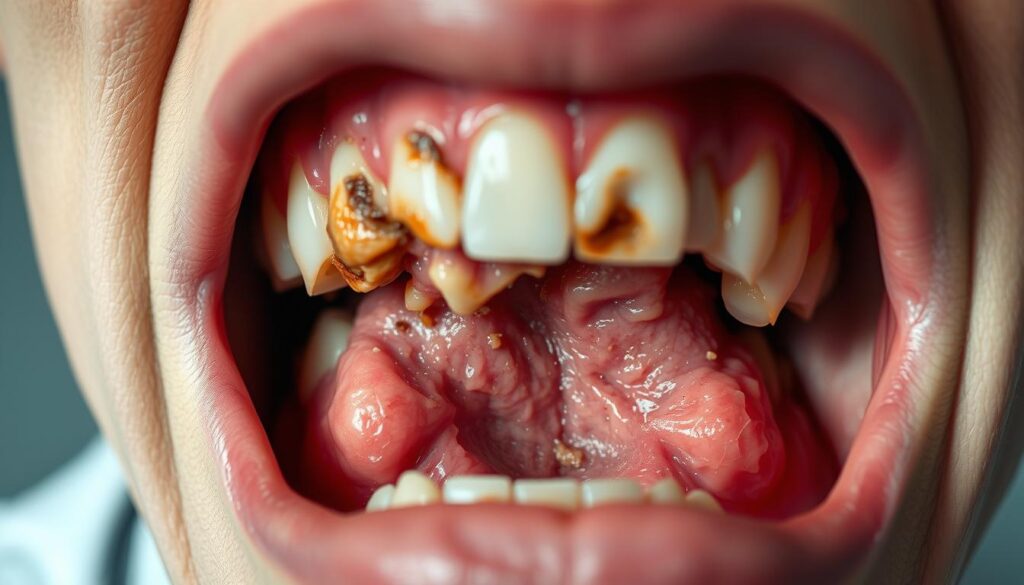
Midlife brings unique health considerations – particularly for maintaining strong gums and resilient tissue. Research shows 47% of adults over 30 have periodontal disease, with risks doubling by age 65. Untreated plaque hardens into tartar within 48 hours, creating breeding grounds for harmful bacteria.
Gum Disease and Systemic Health Links
The Academy of General Dentistry reveals a startling connection: individuals with periodontal issues face twice the risk of heart complications. Bacteria from infected gums enter the bloodstream, triggering inflammation that damages blood vessels. Advanced cases develop periodontal pockets – spaces between teeth and gums exceeding 4mm depth.
| Condition | Key Symptoms | Prevention Strategy |
|---|---|---|
| Gingivitis | Bleeding gums, redness | Daily interdental cleaning |
| Periodontitis | Receding gums, loose teeth | Professional scaling every 3-6 months |
| Oral Cancer | Non-healing sores, white patches | Annual VELscope screenings |
Spotting Early Warning Signs
Persistent bad breath and discolored gums often indicate microbial imbalances. Oral cancer manifests differently – 58% of cases involve painless lesions that smokers frequently overlook.
“Tobacco users develop throat malignancies at 15x higher rates,”
notes a KnowYourTeeth.com analysis.
We recommend monthly self-exams: check for asymmetrical tissue textures and unusual lumps. Early intervention prevents 84% of advanced cases, according to CDC data. Pair professional exams with alcohol-free antimicrobial rinses to disrupt plaque biofilm formation.
Effective Home Dental Care Routines
Daily habits form the foundation of lasting wellness – especially for maintaining resilient smiles. Research confirms simple adjustments to brushing and cleaning methods can prevent 80% of common issues like plaque buildup and enamel erosion. Let’s explore science-backed strategies that fit seamlessly into busy lifestyles.
Mastering Daily Cleaning Methods
Position your soft-bristled brush at a 45-degree angle to gums – this reaches plaque hiding below the gumline. Use gentle circular motions for two minutes, covering all surfaces. Replace brushes every 90 days or when bristles fray.
Flossing isn’t optional. Curve the string into a C-shape around each tooth, sliding beneath the gum margin. Studies show proper technique removes 40% more debris than quick horizontal motions. Keep pre-strung picks in your gym bag or car for midday cleanups.
Strategic Product Choices
Fluoride formulas strengthen enamel by replenishing minerals lost to acids. Look for ADA-approved options with 1,350–1,500 ppm fluoride concentration. Pair with alcohol-free antimicrobial rinses to disrupt bacterial colonies without drying tissues.
| Tool | Frequency | Impact |
|---|---|---|
| Electric Toothbrush | 2x Daily | Reduces plaque 21% better than manual |
| Waxed Floss | 1x Daily | Prevents 35% of interdental cavities |
| Tongue Scraper | Morning Use | Cuts bad breath bacteria by 75% |
Schedule professional cleanings every six months – these visits catch early decay and remove hardened deposits. Set phone reminders to maintain consistency. Remember: preventive routines cost 10x less than treating advanced issues.
Preventive Measures: dental care for men over 40 Strategies and Expert Guidance
Optimal wellness strategies evolve with age – especially for safeguarding your body’s interconnected systems. Our collaboration with Dr. John Spencer Ellis through Diet Guru reveals a crucial truth: oral wellness directly influences heart function and metabolic stability. Regular screenings for cardiovascular risks and hypertension now form essential components of modern prevention plans.

Science-Backed Protection Protocols
Dr. Ellis’s team develops customized routines combining nutritional guidance with clinical evaluations. “Unmanaged plaque bacteria increase systemic inflammation by 19%,” he notes, “accelerating arterial plaque formation linked to heart disease”. This connection explains why biannual dental visits correlate with 31% lower stroke risks.
Three pillars define effective prevention:
- Biometric tracking of blood pressure during cleanings
- Antimicrobial therapies targeting harmful oral microbes
- Lifestyle adjustments reducing acidic food/drink exposure
Research shows patients following personalized plans experience 67% fewer gum complications over five years. We prioritize early detection through advanced imaging – catching enamel microfractures and precancerous lesions before symptoms appear.
Schedule assessments every six months with trusted professionals. These visits allow dentists to monitor tissue changes while updating your home care toolkit. Remember: proactive measures today prevent complex treatments tomorrow.
Lifestyle Factors Impacting Oral Health
Your daily choices shape more than just your waistline – they directly influence gum resilience and enamel strength. Research reveals adults who smoke face 4x higher gum disease rates compared to non-users, while 63% of hypertension medications reduce saliva flow. Let’s explore practical solutions for these modern challenges.
Breaking Harmful Habits
Tobacco isn’t just a lung concern. The CDC reports smokers develop oral cancers at 15 times the rate of non-smokers. Nicotine restricts blood flow to gums, accelerating tissue deterioration and tooth loss. Quitting strategies like nicotine patches or behavioral therapy show 34% higher success rates than willpower alone.
Smart Hydration Strategies
Many blood pressure and diabetes medications cause dry mouth – a leading factor in cavity formation. Saliva neutralizes acids and remineralizes enamel. Carry pH-balanced water bottles and chew xylitol gum to stimulate moisture production. Watch for sticky sensations or frequent thirst – early signs needing attention.
Nutrition plays defense against problems. Crunchy vegetables scrub plaque naturally, while vitamin C-rich foods strengthen gum tissue. For people managing diabetes, stable blood sugar levels prevent 72% of periodontal complications according to ADA studies.
“Every lifestyle adjustment creates a ripple effect – healthier gums today mean stronger systemic wellness tomorrow.”
Schedule medication reviews with your doctor if dry mouth persists. Simple swaps often restore salivary function without compromising treatment efficacy. Remember: proactive changes protect both your smile and overall vitality.
Conclusion
Protecting your smile requires more than quick fixes—it demands smart, sustained strategies. Research confirms consistent oral hygiene habits prevent 80% of tooth decay and slash risk gum disease by half. Ignoring early warnings like bleeding gums or persistent bad breath allows harmful bacteria to trigger systemic conditions.
Partnering with professionals matters. Dr. John Spencer Ellis’s team at Diet Guru crafts plans addressing both overall health and oral wellness. Their data shows biannual cleanings reduce blood pressure-related complications by 31% while catching problems before they escalate.
Three actions safeguard your future:
- Schedule dental visits every six months
- Upgrade routines with antimicrobial rinses
- Monitor medications affecting saliva flow
Women often prioritize preventive care earlier—a practice men should adopt. Addressing risk factors like smoking or acidic diets preserves enamel and supports heart health. Remember: your mouth mirrors your body’s condition.
Take charge today. Book an exam, refine your brushing technique, and explore personalized guidance through Diet Guru’s expert network. Your strongest asset deserves nothing less.