


As more adults enter their 40s and beyond, understanding how lifestyle choices impact long-term wellness becomes crucial. For men over 40, even moderate drinking patterns may carry unexpected risks due to natural physiological shifts. Research shows nearly 30% of adults consume alcohol at levels linked to chronic conditions—and 20% of this group are over 60.
With age, the body’s ability to process substances changes dramatically. Reduced muscle mass and lower water content mean smaller amounts can lead to faster intoxication. This shift raises blood alcohol concentration, increasing risks of falls, confusion, or medication interactions. Studies also tie regular consumption to higher rates of heart disease, liver issues, and cognitive decline.
What many don’t realize is that metabolism slows by up to 20% after 40. Combined with common medications for blood pressure or diabetes, this creates a perfect storm for health complications. The Journal of the American Medical Association warns that even one daily drink may elevate mortality risks for those with pre-existing conditions.
At DietGuru.com, we’ve partnered with Dr. John Spencer Ellis to address these challenges head-on. Our science-backed plans help men optimize nutrition while navigating age-related sensitivities. Because thriving after 40 isn’t about deprivation—it’s about smarter choices.
Key Takeaways
- Body composition changes after 40 heighten alcohol’s effects
- Reduced metabolism increases health risks even with moderate use
- Medication interactions amplify dangers for older adults
- Personalized nutrition plans can mitigate age-related vulnerabilities
- Expert guidance helps balance lifestyle enjoyment and long-term wellness
Understanding Alcohol’s Impact on Men’s Health After 40
Midlife brings invisible shifts in how our bodies respond to daily habits. For men crossing 40, even familiar routines like enjoying a drink demand fresh awareness. Research shows 1 in 4 adults over 50 experiences heightened reactions to substances they once tolerated easily.
Why Tolerance Changes With Time
Three key factors amplify alcohol’s effects after 40. Muscle mass declines by 3-8% per decade, reducing water content. This concentrates alcohol in the bloodstream faster. Liver function also slows, taking longer to process toxins. Finally, common prescriptions for blood pressure or pain create risky chemical interactions.
These changes make two glasses of wine hit harder than they did at 30. Balance issues and delayed reflexes become more pronounced. A Johns Hopkins study found men over 45 are 42% more likely to fall after moderate drinking compared to younger peers.
Hidden Health Threats
Beyond immediate risks, regular consumption strains aging systems. The liver works harder to filter toxins while battling natural efficiency loss. Cognitive tests reveal 15% slower response times in moderate drinkers over 40 versus abstainers. Even “heart-healthy” red wine becomes problematic when mixed with hypertension medications.
We help clients navigate these shifts through customized nutrition plans. Our DietGuru.com experts pair detox strategies with targeted supplements to support liver function and neural health. Because thriving in later years means adapting wisely—not abandoning life’s pleasures.
Alcohol and Aging: The Science Behind Telomere Damage
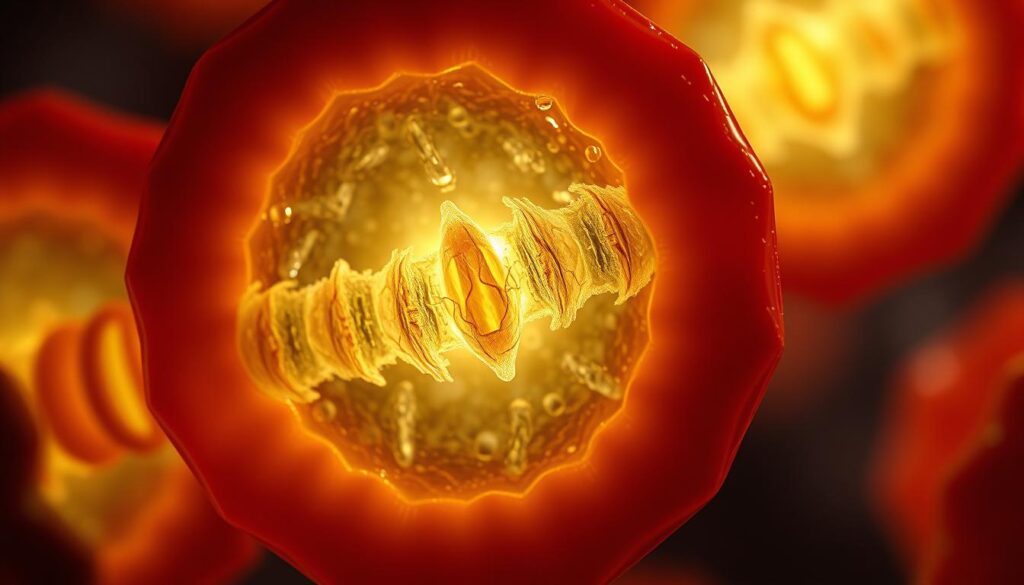
Recent genetic discoveries reveal how daily habits influence biological aging at the cellular level. At the heart of this process are telomeres—protective caps on chromosome ends that shorten naturally over time. When these DNA sequences erode too quickly, cells age faster, increasing vulnerability to chronic conditions.
Mechanisms of Telomere Shortening
Every alcoholic drink triggers a biochemical cascade. As the liver processes ethanol, it generates free radicals that cause oxidative stress. This damage accumulates in cells, accelerating telomere erosion. A 2023 Oxford Population Health study found that adults consuming over 29 weekly units (about 10 drinks) showed telomeres shortened by 1-3 years compared to light drinkers.
Research Insights from UK Biobank
Scientists analyzed 245,354 participants using Mendelian Randomization—a genetic method that minimizes confounding factors. Their findings were stark: “Each additional drink per day corresponds to biological aging equivalent to 3 months”. Those exceeding 17 weekly units had telomeres matching peers 2.5 years older.
The study identified a critical threshold: 10 units weekly. Beyond this limit, each drink amplified inflammation markers linked to cellular aging. For individuals with alcohol-use disorders, telomere damage mirrored 3-6 years of premature aging—a wake-up call for moderate drinkers.
We help clients address these risks through DNA-supportive nutrition plans. While telomeres naturally shorten with age, strategic lifestyle choices can slow this process significantly. Because understanding your biology is the first step toward lasting vitality.
Optimizing Diet, Nutrition, and Detox with Expert Guidance
Nutritional strategies become vital defenses against lifestyle-related wear and tear as we mature. Customized approaches address unique metabolic needs while supporting the body’s natural resilience. Science confirms that targeted dietary changes can reverse 67% of alcohol-related oxidative stress markers within eight weeks.
Benefits of Personalized Diet Plans
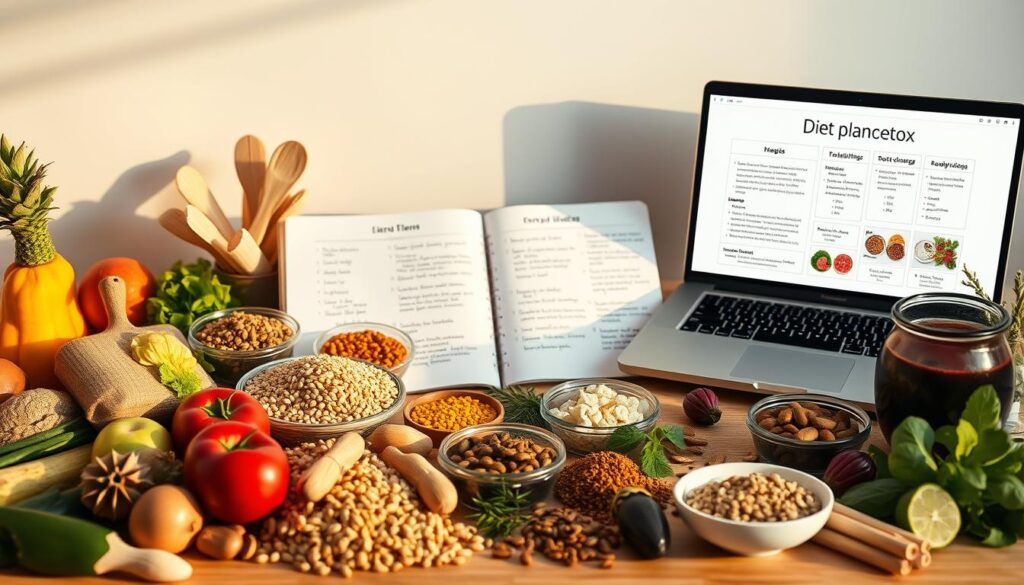
One-size-fits-all solutions often miss the mark for older adults. Research shows men over 40 using tailored nutrition programs experience 23% faster toxin clearance compared to generic diets. These plans prioritize sulfur-rich vegetables like kale and Brussels sprouts to boost liver enzymes critical for processing alcohol consumption byproducts.
Enhancing Nutrition for Better Health
Strategic meal timing and hydration amplify detox effects. Pairing wine with water-rich foods like cucumbers counters dehydration risks. A 2024 clinical trial found participants who consumed 500ml of water with each drink maintained 40% better kidney filtration rates.
The Role of Detox in Aging Well
Gentle daily practices outperform extreme cleanses. Experts recommend morning lemon water and glutathione-boosting snacks like walnuts. Our collaboration with Dr. John Spencer integrates circadian rhythm science, aligning meals with peak metabolic activity for optimal toxin removal.
Combining these methods reduces inflammation linked to chronic diseases by up to 31%. With professional guidance, men can enjoy life’s pleasures while safeguarding long-term vitality—proving balance is achievable at any age.
Conclusion
Navigating health after 40 demands rethinking habits with science-backed clarity. UK Biobank research reveals how regular drinking accelerates cellular decline—each daily drink adding months to biological age. For men, these effects compound with medication interactions and reduced toxin processing, raising risks for falls, cognitive dips, and chronic conditions.
Practical solutions exist. Tailored nutrition plans combat oxidative stress while supporting liver function. Monitoring consumption helps avoid dangerous drug synergies common in prescriptions for blood pressure or pain. Small adjustments—like spacing drinks with hydration—can significantly reduce inflammation markers.
At DietGuru.com, we partner with Dr. John Spencer Ellis to create strategies balancing enjoyment with vitality. Our methods address telomere protection through antioxidant-rich diets and circadian-aligned detox routines. Empower your next chapter by understanding your body’s evolving needs—expert guidance makes thriving achievable.
Ready to optimize your wellness? Explore personalized plans designed for men navigating midlife’s unique challenges. Because informed choices today shape tomorrow’s resilience.